Vassil Levski Monument
The Vassil Levski Monument is a modest but significant landmark in Sofia, located at the intersection of Volgograd and General Zaimov Boulevards. It stands on the very spot where Vassil Levski, the great Bulgarian revolutionary and fighter for national freedom, was hanged.
The monument is a 13-meter-high granite pyramid set on a stylish pedestal. It honors Levski’s courage, patriotism, and lifelong dedication to the cause of Bulgaria’s independence. The site serves as a place of remembrance for Bulgarians and a symbol of the nation’s struggle for freedom Sofia Sightseeing Tours.
Ruins of the Old Fortress Wall
Sofia’s city walls have been destroyed and rebuilt multiple times throughout history. Today, two fortress towers remain in the city center:
Round Tower: Located at the intersection of Serdica and Iskar Streets, this tower has thresholds and passages that once led to the city’s interior.
Triangular Tower: Found at Georgi Dimitrov Boulevard and Exarch Yosif Street, it was likely built in the 6th century to protect the Northern Gate of the city.
These preserved towers give visitors a sense of Sofia’s ancient history and its strategic importance as a fortified settlement.
The Old Wall
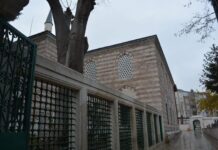
Another section of the old city wall can be seen in the Market Square near Hristo Smyrnenski Boulevard in the Lozenets quarter. This part of the wall is typical Turkish masonry, probably a tomb structure from the early Ottoman period. It provides a glimpse into the architectural style and urban life during centuries of Ottoman rule.
Museums in Sofia
Sofia is home to several important museums that preserve Bulgaria’s history, culture, and art Sights and Monuments Around Sofia.
Archaeological Museum
Housed in the former Büyük Djami on Legue Street, the Archaeological Museum occupies one of Sofia’s most interesting examples of Moslem architecture. The museum has five sections:
Prehistoric
Ancient
Early Medieval
Late Medieval
Numismatic
The collection showcases artifacts from Bulgaria’s long and diverse history, including tools, pottery, coins, and sculptures.
Ethnographic Museum and National Art Gallery
Located in the former Royal Palace at Deveti Septemvri Square, this museum complex was originally the residence of the Ottoman Beyler-bey and later converted into a palace for Bulgarian royalty.
Ethnographic Museum: Features two main departments, Folk Art and Costumes and Bulgarian Life and Crafts, with about 30,000 exhibits illustrating traditional culture, crafts, and daily life.
National Art Gallery: Contains an important collection of Bulgarian paintings, sculptures, and graphic works, representing both historical and modern artistic achievements.
Natural Science Museum
Situated at the corner of Rouski Boulevard and Benkovski Street, the Natural Science Museum is one of the largest in the Balkan Peninsula. Its 28 halls and 6 vestibules contain over 1,000,000 items, including minerals, rocks, ores, fossils, and skeletons of animals like mammoths. The museum also houses extensive collections of birds, mammals, reptiles, and insects.
Museum of the Bulgarian Revolutionary Movement
Located at 14 Rouski Boulevard, this museum preserves photographs, documents, and diagrams reflecting the development of Bulgaria’s workers’ and revolutionary movements. Visitors can learn about the struggles and achievements of those who fought for social and political change in the country.
These monuments, fortress ruins, and museums together make Sofia a rich cultural and historical center, offering visitors a deep understanding of Bulgaria’s past and its heritage.