Boyana Church
The Boyana Church is located about 6 km south of Sofia in Boyana village. It is considered one of the most valuable architectural and artistic monuments in Bulgaria. The church was built in three stages, with its earliest parts dating back to the 10th century and major additions in the 13th century Museums Educational Institutions and Public Buildings in Sofia.
The murals of the 13th century are of world renown. They are celebrated for their realistic and lifelike style, showing detailed human emotions and gestures. Art historians consider these murals a forerunner of the Italian Renaissance, as they display advanced techniques and a naturalistic approach that was unusual for the time. Boyana Church is now listed as a UNESCO World Heritage Site and attracts visitors from around the world.
Dragalevtsi Monastery (Our Lady of Vitosha)
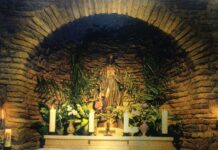
The Dragalevtsi Monastery, also known as Our Lady of Vitosha, is located in a beech forest near Dragalevtsi village at the foot of Vitosha Mountain. It was originally built in the 14th century. Today, only the Chapel of the Virgin remains from the original structure, which has been incorporated into a newer church building.
The murals from the 15th to the 16th centuries inside the chapel are important cultural treasures. They provide insight into the development of Bulgarian medieval art and religious traditions. The monastery’s peaceful forest setting also makes it a popular destination for tourists and pilgrims seeking both spiritual and natural beauty Sofia Day Tour.
The Russian Monument
The Russian Monument was built after Bulgaria’s liberation from Ottoman rule in 1877–1878. It honors Tsar Alexander II, the Russian ruler who played a key role in freeing Bulgaria. The monument is a four-sided stone pyramid, about 10 meters high, located in a small garden at the intersection of Dimitr Blagoev, Totleben, and Skobelev Boulevards.
The Doctors’ Monument
The Doctors’ Monument is in the garden behind the Vasil Kolarov National Library. It commemorates Russian medical personnel who died during the Russo-Turkish War of 1877–1878. The monument is a pyramid made of rough-hewn stone blocks with the names of fallen doctors inscribed on it. It symbolizes the sacrifice of those who cared for soldiers during the war.
Monument of Our Liberators
Located on Rouski Boulevard, facing the House of Parliament, the Monument of Our Liberators was created by Italian sculptor Zocchi. The monument expresses the gratitude of the Bulgarian people to the Russian army that helped liberate the country. It is built of polished granite with bronze sculptures, making it an impressive landmark in Sofia.
Nearby, there is a monument dedicated to the Soviet liberating army in a park just off Rouski Boulevard. This 8-meter-high tripartite composition includes a Soviet soldier proclaiming victory over fascism, a Bulgarian worker, and a mother with her child. At the entrance, two sculptural groups depict the warm welcome given to the Soviet army by the Bulgarian people.
Burial Mound in the Park of Freedom
The Burial Mound in the Park of Freedom is a monument honoring fighters who died for national freedom. The central structure is an obelisk, 14 meters high, surrounded by sculpted figures of a man and a woman representing partisan fighters. The monument symbolizes the struggle for freedom and serves as a reminder of Bulgaria’s long fight for independence and national unity.
These monuments and churches in and around Sofia showcase Bulgaria’s rich cultural, historical, and artistic heritage. They offer visitors a glimpse into the country’s past, from medieval art to the modern era of liberation and remembrance.